Contact our team for professional guidance and solutions.
Summary: Web development trends in 2025 focus on AI automation, cloud-native systems, cybersecurity, and personalized digital experiences for modern businesses.Technologies like PWAs, voice search optimization, Web3, API-first development, and no-code platforms improve website speed, scalability, engagement, and operational efficiency while supporting long-term digital transformation and competitive growth.
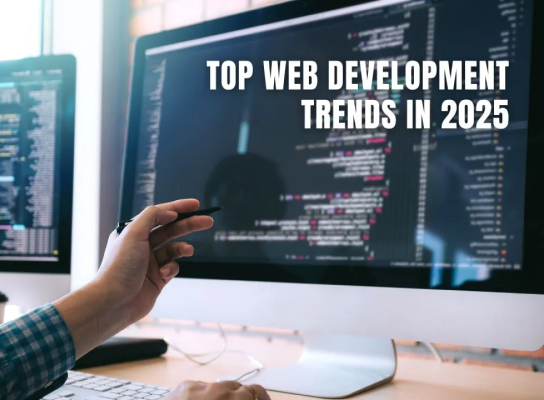
Web development in 2025 is evolving faster than ever as businesses demand high-performance digital experiences, faster loading websites, personalized interfaces, and advanced automation. With users expecting seamless browsing, real-time interactions, and secure platforms, companies must adopt the latest web development technologies to stay ahead. Modern trends such as AI-powered web development tools, progressive web apps, no-code platforms, cloud-native development, and next-generation cybersecurity improvements are reshaping how websites are built and managed today.
As digital transformation accelerates globally, websites are no longer just online brochures—they are intelligent digital engines that drive customer engagement, lead generation, online sales, and brand identity. With future-focused web development solutions becoming essential, businesses need to adapt quickly and embrace new innovations that deliver speed, efficiency, strong UI/UX, and long-term performance. This article explores the top web development trends for 2025, explaining how each one supports growth, improves user experience, and strengthens digital competitiveness.
AI is redefining how websites are designed, optimized, and maintained.
Detailed points include:
· AI tools automate design suggestions, improving UI/UX without manual effort.
· Machine learning personalizes user experiences based on behaviour patterns.
· AI-driven code optimization enhances website speed and performance.
· Predictive analytics help brands anticipate user needs smarter.
· AI chatbots provide instant customer support for better engagement.
AI-driven development helps brands scale faster and deliver highly dynamic websites.
PWAs continue to rise as businesses prefer faster, more responsive platforms.
Detailed points include:
· PWAs load instantly, even on slow networks.
· Users can install PWAs like mobile apps without app store requirements.
· PWAs support offline access for improved usability.
· They enhance website engagement and mobile traffic.
· PWAs reduce development costs by replacing separate mobile apps.
PWAs are becoming essential for a stronger mobile-first web strategy.
Voice-based interactions continue to grow with smart speakers and mobile assistants.
Detailed points include:
· Websites now include voice-friendly content using natural language keywords.
· Schema markup helps search engines understand voice-based queries.
· Voice optimization improves accessibility for all users.
· Businesses use conversational interfaces to support voice navigation.
· Voice search integration enhances SEO and user convenience.
This trend aligns with the increasing use of voice-enabled devices globally.
Businesses want faster launches, leading to a rise in no-code tools.
Detailed points include:
· Drag-and-drop builders simplify complex web development.
· Non-technical teams can create landing pages independently.
· Low-code platforms support rapid MVP creation.
· These tools reduce development costs significantly.
· They help companies update their websites in real-time.
No-code platforms empower businesses to innovate without waiting for long development cycles.
Web3 technologies offer stronger privacy and decentralized solutions.
Detailed points include:
· Blockchain ensures secure, tamper-proof digital transactions.
· Decentralized apps offer transparent and trust-driven platforms.
· Smart contracts automate secure business processes.
· Web3 improves authentication and identity verification.
· It supports future-ready digital ecosystems with enhanced user control.
Blockchain integration strengthens trust and transparency in digital experiences.
Cloud-first development continues to dominate 2025.
Detailed points include:
· Developers use containerization tools like Kubernetes for scalability.
· Cloud servers offer faster deployments and global access.
· Serverless architecture reduces operational costs.
· Cloud integration improves website security and uptime.
· Web apps become more reliable under high traffic loads.
Cloud-native development ensures seamless performance and business continuity.
Security remains a top priority due to rising cyber threats.
Detailed points include:
· Advanced firewalls and AI threat detection safeguard websites.
· Multi-factor authentication improves user protection.
· Encrypted communications ensure safer online transactions.
· Security patches are automated through cloud systems.
· Zero-trust frameworks prevent unauthorized access.
Modern cybersecurity is essential for building user trust in digital platforms.
Users prefer visually dynamic, intuitive interfaces.
Detailed points include:
· Subtle animations guide users through website interactions.
· Motion UI highlights important actions and buttons.
· Animations improve storytelling and visual flow.
· Micro-interactions make websites feel more interactive.
· Modern UI enhances retention and user satisfaction.
Motion-based elements enhance the overall browsing experience.
Websites depend heavily on external services and automation.
Detailed points include:
· API-first design ensures smooth communication between systems.
· Businesses integrate CRMs, payment gateways, and automation tools easily.
· APIs help scale web functionalities across multiple channels.
· Headless CMS platforms rely heavily on API-driven architectures.
· APIs reduce friction and improve long-term scalability.
API-first development supports flexibility and future product expansion.
Personalization is now expected across websites and digital platforms.
Detailed points include:
· Websites customize content automatically based on user behaviour.
· Recommendations increase engagement and conversions.
· Personalized dashboards improve interaction quality.
· AI-powered tools analyse preferences for smarter targeting.
· Dynamic content keeps users engaged longer.
Personalization helps brands deliver meaningful digital experiences.
These trends help businesses:
· Create faster and more intelligent websites
· Improve user engagement and conversions
· Enhance website performance and security
· Reduce development time and costs
· Stay competitive in a rapidly evolving digital world
Businesses that adopt these trends early will benefit from stronger digital ecosystems.
The future of web development in 2025 revolves around intelligence, automation, faster performance, and personalized digital experiences. With AI-powered design, PWAs, cloud-native development, API-first integration, and enhanced cybersecurity becoming standard, the web is entering a new era of innovation and efficiency.
Freshora Digital Technologies helps businesses implement modern web development frameworks, AI-driven tools, cloud-native systems, and advanced UX strategies. Their expertise ensures high-performance websites that support growth, trust, and long-term digital success.

In the bustling transit hub of Tiruchirappalli, the transport sector is evolving rapidly. From touri... Read More

In the rapidly expanding industrial landscape of Trichy, efficiency is the currency of success. Busi... Read More
In the competitive landscape of Tiruchirappalli, businesses are increasingly looking for creative pa... Read More
Our expert will call you shortly to understand your needs and help grow your business.
Get exclusive digital marketing tips, SEO insights, web & app updates, and job opportunities delivered straight to your inbox.
Join our WhatsApp channel for instant digital marketing tips, SEO insights, web & app updates, and latest job opportunities.
Join NowFreshora Digital Technologies proudly serves businesses across Tiruchirappalli (Trichy), including Cantonment, Puthur, Thillai Nagar, Palakarai, Subramaniyapuram, Mela Chinthamani, Woraiyur, KK Nagar, Karumandapam, Crawford, Edamalaipatti Pudur (EMP), Kattur, Airport Area, Ariyamangalam, Panjappur, Thuvakudi, Tiruverumbur, BHEL Township, Srirangam, Thiruvanaikaval, Samayapuram, No.1 Tollgate, Central Bus Stand Area, and Chathiram Bus Stand Area.
We also serve clients across Tamil Nadu, India, and globally in Singapore, the UAE, Saudi Arabia, Canada, Australia, the United Kingdom, and the United States, delivering innovative Website Development, Mobile App Development, Software Development, SEO, Google Business Profile Management, and Digital Marketing solutions that help businesses grow and succeed in the digital world.
