
Executive Summary
The corporate landscape in Tiruchirappalli is transforming. As the city integrates into Tamil Nadu’s broader industrial corridor—driven by manufacturing powerhouses, educational excellence, and a growing startup ecosystem—the demand for high-stakes corporate gatherings, B2B conferences, and professional summits is at an all-time high. Yet, a significant gap remains: while event execution has improved, the digital infrastructure supporting these events has lagged. Many organizers still rely on fragmented, manual systems that struggle to scale. The shift to custom corporate event management portal development represents a fundamental move from reactive, "one-off" event planning to a strategic, data-driven operational model. For businesses in Trichy, this is no longer an optional tech upgrade; it is the infrastructure needed to secure professional credibility, optimize attendee engagement, and ensure corporate events deliver a measurable return on investment.
Understanding the Event Industry Today
The events industry in 2026 is defined by maturity and strategic intent. Gone are the days when a corporate event was simply a "gathering." Today, it is a continuous process—an extension of the company’s brand and a critical touchpoint in the customer or partner journey.
Trichy is a perfect case study of this evolution. From established industrial giants near Thuvakudi to the rising service-based enterprises in Cantonment and Thillai Nagar, businesses are hosting more complex, multi-day events. The expectation from attendees—executives, investors, and partners—is a seamless, frictionless digital experience. They want instant registration, personalized agendas, and digital engagement. If a firm’s event portal feels dated or disconnected, it reflects poorly on the brand itself.
Current Challenges Event Businesses Face
Through years of working with organizers, I have seen that operational bottlenecks are universal, regardless of the company size:
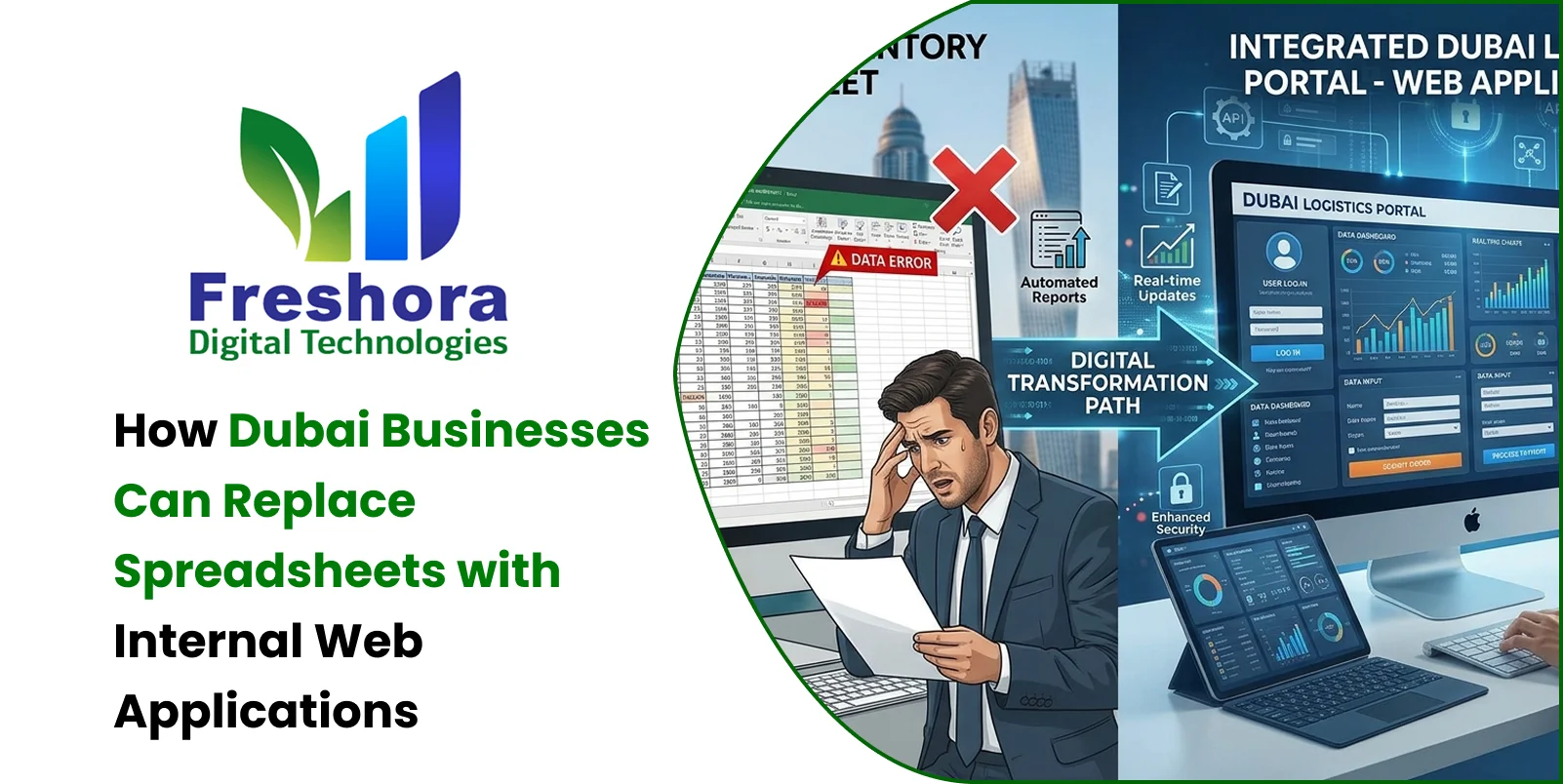
- Fragmented Data: Using spreadsheets for registration, emails for communication, and separate tools for feedback creates "data silos" that make it impossible to get a clear picture of event performance.
- Communication Latency: Relying on manual updates means that when venue logistics or speaker schedules change, attendees and vendors are often the last to know.
- Administrative Burnout: Your internal teams are spending more time on manual data entry and payment reconciliation than on high-value tasks like networking and strategy.
- The "Black Box" of ROI: Without a centralized portal, calculating the true impact of an event—tracking registration sources, attendance, and follow-up engagement—becomes a speculative exercise rather than a data-backed report.
Why Traditional Methods No Longer Work
The modern corporate attendee is conditioned by "on-demand" services. They expect to register, pay, and receive their itinerary in seconds, not hours. When companies in Trichy continue to use manual booking or basic email forms, they encounter:
- Low Registration Rates: Friction at the point of entry (e.g., slow forms, unoptimized mobile interfaces) results in abandoned registrations.
- Operational Errors: Manual management is naturally susceptible to human error—wrong email addresses, missed registration confirmations, and mismatched dietary requirements, all of which compromise the attendee experience.
- Competitor Advantage: Your competitors who have invested in digital-first management portals are providing a superior experience that signals professionalism, precision, and efficiency.
The Business Cost of Doing Nothing
Stagnation is a silent revenue killer. When you refuse to modernize your event infrastructure, you pay for it in:
- Missed Leads: Corporate events are essentially lead-generation machines. If your registration process is broken, you lose the opportunity to capture high-value prospects.
- Wasted Resources: Manual processes lead to over-budgeting for catering, materials, and venue logistics because you lack accurate, real-time attendee data.
- Brand Erosion: In the professional business community in Trichy, word-of-mouth is everything. A chaotic, disorganized event registration experience stays in the minds of executives longer than the event's actual content.
How Technology Solves These Problems
A custom corporate event management portal acts as the centralized engine of your operation. It isn't just about software—it’s about operational design.
- Unified Ecosystem: It connects the registration, communication, ticketing, and reporting layers into one dashboard.
- Automated Workflows: Registrations, confirmation emails, session reminders, and post-event surveys are triggered automatically, ensuring your team is focused only on the exceptions, not the daily routine.
- CRM Integration: By linking your event portal to your CRM (like Zoho or Salesforce), you ensure that every attendee's profile is updated, creating a holistic view of your corporate stakeholders.
Essential Features Every Event Platform Should Have
If you are developing a portal for corporate use, prioritize these mission-critical features:
- Secure Registration & Payment: Support for corporate billing, GST-compliant invoicing, and multiple payment methods (UPI, cards, net banking).
- Automated Attendee Journey: Personalized email/WhatsApp flows that nurture the attendee from registration to the final event day.
- Live Analytics Dashboard: Real-time visibility into registration numbers, demographic breakdowns, and engagement metrics.
- Vendor & Speaker Management: A secure portal for speakers to upload materials and vendors to coordinate logistics.
- Post-Event Insights: Automated feedback loops that capture structured sentiment data to inform future event strategies.
Real-World Business Scenario: A Trichy Case Study
A growing manufacturing firm in Thuvakudi was struggling to manage its annual stakeholder conference. With over 500 attendees from across the state, their manual registration system led to hours of confusion at the registration desk.
- The Situation: Attendees were frustrated by long check-in queues, and the firm had no idea which stakeholders were attending until the day of the event.
- The Technology: They invested in a custom corporate event management portal with integrated QR-code check-in and automated pre-conference communication.
- Business Impact: Check-in time was reduced from an average of 4 minutes per person to 30 seconds. The firm also captured a 95% attendance rate because of the automated reminder system, and post-event survey participation grew by 60%.
Local Market Opportunities in Trichy
Trichy is experiencing an unprecedented surge in business activity. With the new Master Plan guiding the city’s urban expansion, we are seeing more office hubs and convention spaces coming to life in areas like Tennur, Cantonment, and beyond. There is a massive, underserved opportunity for local event agencies and technology firms to provide "white-label" or custom portal solutions to these companies. Being the first in the local market to offer a tech-native event management solution will grant you a clear first-mover advantage.
ROI and Business Benefits
- Efficiency Gains: Automated processes typically reduce administrative workload by 40–50% for complex events.
- Revenue Growth: Faster, easier registration workflows directly increase the number of successful sign-ups.
- Brand Credibility: A branded, portal-based experience positions your organization as a modern, efficient, and forward-thinking industry leader.
Industry Trends Shaping the Future
The industry is moving toward AI-powered personalization and predictive analytics. Imagine a portal that suggests networking sessions based on an attendee's professional background, or uses data to predict catering needs within a 5% margin of error. As we move deeper into 2026, events are being treated as long-term engagement engines, and your portal is the foundation of that engine.
Expert Recommendations
- Prioritize Integration: Ensure your portal can "talk" to your existing business software (like your CRM or Accounting software).
- Focus on Security: For corporate data, security isn't optional. Work with developers who understand data privacy and compliance.
- Don't Over-engineer: Start with the "must-have" features that solve your biggest pain points before adding complex bells and whistles.
- Partner, Don't Just Hire: Look for a software development company in Trichy that understands event operations, not just coding. You need a partner who understands why a check-in queue is a business risk.
Conclusion
The corporate event sector in Trichy is no longer about just planning—it is about performance. The platforms that manage these events are the difference between a chaotic gathering and a high-impact, professional engagement. If you are a business leader, event organizer, or enterprise decision-maker, it is time to move beyond the spreadsheet. Investing in a custom corporate event management portal is the most strategic step you can take to scale your operations, build lasting professional relationships, and secure your place as a leader in Trichy’s vibrant business community.