
Contact our team for professional guidance and solutions.
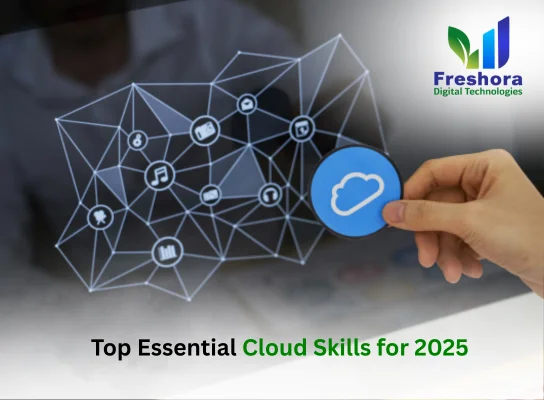
Summary: Essential cloud skills for 2025 include cloud security, automation, infrastructure management, and data handling. Professionals with cloud expertise can support scalable business operations and modern digital transformation strategies.
Introduction
As cloud technology becomes the backbone of digital transformation, the demand for cloud-skilled professionals is rising rapidly. In 2025, businesses rely heavily on cloud infrastructure to support automation, remote workflows, data management, cybersecurity, and large-scale digital operations. This shift means organizations need talent equipped with modern cloud computing skills, cloud security knowledge, multi-cloud management abilities, and AI-driven cloud automation expertise.
Whether you are an IT professional, developer, analyst, or business leader, having strong cloud skills is essential to stay relevant and competitive. Cloud platforms are no longer just storage solutions they now power applications, manage data, boost productivity, enhance security, and support real-time digital experiences. As industries like finance, healthcare, retail, logistics, and education continue to adopt cloud-first strategies, mastering cloud competencies becomes a major advantage.
This article explains the essential cloud skills for 2025, helping professionals understand what they need to grow, succeed, and contribute effectively in a cloud-driven world.
Professionals must understand how cloud systems are designed and deployed.
Examples include:
· Knowledge of cloud infrastructure components.
· Understanding how virtual machines and networks operate.
· Ability to plan scalable and secure cloud environments.
Strong architecture skills ensure efficient and stable cloud operations.
Companies now use multiple cloud providers for better performance and reliability.
Examples include:
· Managing platforms like AWS, Azure, and Google Cloud.
· Balancing workloads across different environments.
· Monitoring performance and cost across providers.
Multi-cloud expertise helps professionals maintain flexibility and control.
Cybersecurity remains the biggest priority in cloud computing.
Examples include:
· Understanding encryption and secure access models.
· Identifying vulnerabilities in cloud applications.
· Implementing zero-trust security frameworks.
Security skills help safeguard sensitive business data.
DevOps combines development and operations for faster, smoother workflows.
Examples include:
· Automating application deployments.
· Using CI/CD pipelines for continuous updates.
· Managing cloud infrastructure with code.
DevOps skills increase efficiency and speed in cloud environments.
Modern applications require flexible and lightweight deployment methods.
Examples include:
· Using containers to package applications.
· Managing clusters with Kubernetes.
· Scaling apps automatically based on demand.
These skills enable strong, scalable, and modern cloud applications.
AI-driven cloud platforms help automate and optimize processes.
Examples include:
· Using AI tools for predictive analytics.
· Integrating machine learning into cloud apps.
· Automating repetitive tasks with AI engines.
These skills help businesses use cloud technology more intelligently.
Cloud platforms store and process enormous amounts of data.
Examples include:
· Managing cloud databases effectively.
· Analysing data trends with cloud analytics tools.
· Using dashboards for real-time decision-making.
Data skills support smarter and faster business insights.
Cloud systems rely on strong networking foundations.
Examples include:
· Understanding virtual private networks (VPNs).
· Configuring firewalls and routing rules.
· Managing secure network connections.
Networking knowledge helps maintain seamless cloud performance.
Automation is at the heart of modern cloud operations.
Examples include:
· Using cloud tools to automate repetitive tasks.
· Implementing workflow automation systems.
· Managing infrastructure with automation scripts.
Automation skills improve productivity and reduce operational costs.
Cloud professionals also need strong communication and teamwork abilities.
Examples include:
· Explaining cloud concepts to non-technical teams.
· Collaborating with developers and analysts.
· Adapting quickly to new cloud technologies.
Soft skills complement technical knowledge and improve team performance.
These essential cloud skills help professionals and businesses:
· Improve security
· Strengthen digital infrastructure
· Increase productivity
· Support scalability
· Enhance business continuity
· Drive innovation
· Stay competitive
Cloud expertise is becoming one of the most valuable strengths in the modern job market.
The future of work is cloud-driven, and mastering essential cloud skills is the key to staying relevant in 2025. From cloud architecture and security to DevOps, AI integration, automation, and data analytics, these skills empower professionals to support digital transformation effectively. Businesses that invest in cloud-skilled teams achieve better performance, stronger security, and faster growth.
Freshora Digital Technologies helps organizations strengthen their digital capabilities by offering advanced cloud solutions, automation tools, security systems, and cloud integration support. Their expertise ensures smooth cloud adoption, improved efficiency, and sustainable growth. To explore how Freshora Digital Technologies can elevate your cloud transformation journey.


Summary: Security automation improves threat response speed by enabling real-time detection, instant... Read More

Introduction In today’s digital business environment, organizations rely on multiple technolo... Read More

Summary: Cloud optimisation improves operational cost control by eliminating unused resources, right... Read More
Our expert will call you shortly to understand your needs and help grow your business.
Get exclusive digital marketing tips, SEO insights, web & app updates, and job opportunities delivered straight to your inbox.
Join our WhatsApp channel for instant digital marketing tips, SEO insights, web & app updates, and latest job opportunities.
Join NowFreshora Digital Technologies proudly serves businesses across Tiruchirappalli (Trichy), including Cantonment, Puthur, Thillai Nagar, Palakarai, Subramaniyapuram, Mela Chinthamani, Woraiyur, KK Nagar, Karumandapam, Crawford, Edamalaipatti Pudur (EMP), Kattur, Airport Area, Ariyamangalam, Panjappur, Thuvakudi, Tiruverumbur, BHEL Township, Srirangam, Thiruvanaikaval, Samayapuram, No.1 Tollgate, Central Bus Stand Area, and Chathiram Bus Stand Area.
We also serve clients across Tamil Nadu, India, and globally in Singapore, the UAE, Saudi Arabia, Canada, Australia, the United Kingdom, and the United States, delivering innovative Website Development, Mobile App Development, Software Development, SEO, Google Business Profile Management, and Digital Marketing solutions that help businesses grow and succeed in the digital world.


