
Contact our team for professional guidance and solutions.
Summary : Using keywords correctly improves SEO rankings through proper placement, search intent alignment, and content relevance. Strategic keyword usage helps websites attract targeted organic traffic.
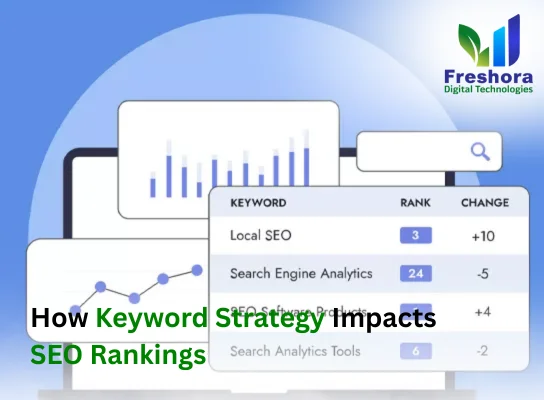
Keywords are one of the most important foundations of SEO. They help search engines understand what your content is about and match your pages with user searches. But using keywords the wrong way can harm your ranking. Keyword stuffing, unnatural placement or irrelevant keywords can reduce your visibility. The right keyword strategy helps you attract targeted traffic, improve user experience and strengthen your search ranking.
In this blog, you will learn how to use keywords correctly and effectively for strong SEO performance.
Keyword research helps you discover what people are searching for. It tells you the exact words and phrases your target customers use.
Key areas to research:
• Search volume
• Keyword difficulty
• User intent
• Long tail variations
• Competing pages
Strong keyword research is the foundation for SEO success.
User intent means the purpose behind the search. Understanding intent helps you create content that matches what users want.
Types of intent:
• Informational (how to fix a laptop)
• Commercial (best laptops 2025)
• Transactional (buy laptop online)
• Navigational (Dell official website)
Content that matches intent ranks higher because it satisfies user needs.
Your title is the first place search engines check for relevance. Including your main keyword in the title helps Google understand your topic immediately.
A strong title:
• Includes the keyword
• Is simple and clear
• Encourages clicks
A natural keyword rich title helps your ranking.
Search engines scan the first part of your content to understand its focus. Using your main keyword early helps establish strong relevance.
This approach:
• Improves clarity
• Enhances SEO strength
• Helps users understand the topic immediately
Avoid forcing it. Use it naturally.
Headings help organize your content and show search engines your content flow. Adding keywords in headings strengthens your SEO structure.
Use keywords in:
• H1
• H2
• H3
This supports both readability and ranking.
Search engines cannot see images. They read alt text to understand what the image represents. Using keywords in alt text boosts your SEO and accessibility.
Alt text should:
• Describe the image clearly
• Include the keyword naturally
• Use simple language
Optimized images improve overall ranking signals.
Long tail keywords are longer and more specific search phrases. They have lower competition and higher conversion potential.
Examples:
• best orthopedic doctor in Chennai
• affordable laptop repair near me
• SEO company with monthly support
Long tail keywords help you rank faster and attract targeted traffic.
Keyword stuffing harms your SEO. Google penalizes pages that repeat keywords unnaturally.
Avoid:
• Repeating the same phrase too many times
• Adding keywords where they do not fit
• Writing for search engines instead of users
Write for humans first. Search engines follow.
Semantic keywords are words related to your main keyword. They help Google understand your topic better and rank your page for more queries.
For example, if your main keyword is digital marketing, semantic keywords include:
• online branding
• social media marketing
• SEO strategy
These keywords improve your content depth and relevance.
Meta descriptions help users understand your content before clicking. Adding keywords helps Google highlight them in search results.
A strong meta description:
• Uses natural keywords
• Explains the content clearly
• Encourages action
Better click through rates support SEO growth.
A clear and keyword rich URL helps search engines and users understand your page.
Example:
example.com/seo-services-chennai
Keyword optimized URLs improve visibility.
Keyword density should be natural and balanced. Most SEO experts recommend using the main keyword one to three percent throughout the content.
Best practices:
• Do not force keywords
• Use variations
• Keep readability high
Balanced keyword density improves ranking safely.
Keywords help your website attract the right audience. When used correctly, they strengthen your SEO, improve ranking and increase organic traffic. Misusing keywords, however, can harm your visibility and reduce trust.
Using keywords correctly helps you:
• Rank higher
• Improve search visibility
• Attract targeted customers
• Increase conversions
• Build strong authority
A smart keyword strategy leads to long lasting SEO success.
Conclusion
If you want to use keywords the right way and improve your search ranking, Freshora Digital Technologies is ready to guide you. Our expert SEO team helps with keyword research, content optimization, website structuring and long term ranking strategy. With Freshora, your website gains strong keyword relevance, better visibility and powerful SEO growth. We ensure that your keyword usage supports your business goals effectively and safely.




Summary: SEO company strategies drive long-term business growth through keyword opti... Read More

Summary:Secure cloud platforms strengthen business continuity by minimizing downtime, protecting cri... Read More

Summary: SEO company services strengthen digital marketing performance by improving organic visibili... Read More
Our expert will call you shortly to understand your needs and help grow your business.
Get exclusive digital marketing tips, SEO insights, web & app updates, and job opportunities delivered straight to your inbox.
Join our WhatsApp channel for instant digital marketing tips, SEO insights, web & app updates, and latest job opportunities.
Join Now

