Contact our team for professional guidance and solutions.
Introduction
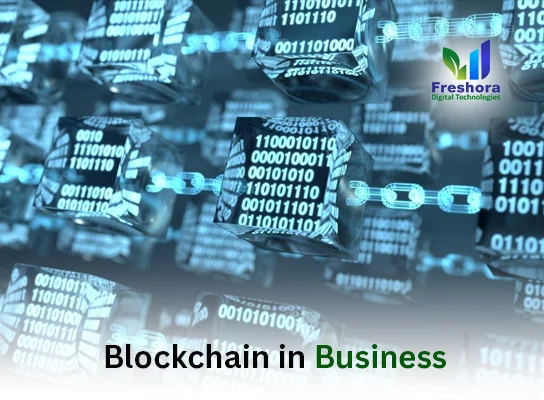
Blockchain technology is revolutionizing the way businesses operate across industries. Once known mainly for powering cryptocurrencies, blockchain has evolved into a trusted digital framework for ensuring transparency, security, and accountability in transactions.
From finance to supply chain, healthcare, and real estate, blockchain in modern business is enabling organizations to build trust, reduce costs, and improve operational efficiency. Let’s explore how this groundbreaking technology is reshaping the global business landscape.
Blockchain is a decentralized digital ledger that records transactions securely across multiple computers. Unlike traditional databases, it’s immutable and transparent, meaning data cannot be altered or deleted once added.
This makes blockchain an ideal solution for industries that require secure transactions, data verification, and digital trust.
The financial industry was among the first to adopt blockchain due to its potential for secure, fast, and cost-effective transactions.
Example:
Banks use blockchain to facilitate cross-border payments without intermediaries, reducing processing time from days to seconds.
Smart contracts also automate loan approvals, insurance claims, and trade settlements.
Blockchain enhances supply chain visibility and authenticity by allowing companies to track goods from origin to destination.
Example:
Food companies use blockchain traceability systems to verify product origins and ensure quality control.
This improves transparency and helps prevent fraud, counterfeiting, and delivery delays.
Healthcare organizations are using blockchain to secure patient records and streamline medical data sharing among hospitals and insurers.
Example:
A blockchain-based health record system gives patients complete control over who can access their data while maintaining data integrity and privacy.
Real estate companies use blockchain to digitize property transactions, reducing paperwork, fraud, and processing time.
Example:
Smart contracts enable instant verification of ownership, automate payments, and ensure secure title transfers.
With rising cyber threats, blockchain offers a secure solution for digital identity management.
Example:
Companies can create blockchain-based ID systems that store encrypted identity data, preventing identity theft and unauthorized access.
E-commerce companies are integrating blockchain to enhance transaction security and improve customer trust.
Example:
Using blockchain-based payment systems, customers can verify sellers’ authenticity and ensure safe transactions.
Blockchain supports peer-to-peer energy trading, allowing consumers to buy and sell renewable energy directly without intermediaries.
Example:
Smart grids use blockchain to track energy production and consumption in real time.
Legal firms are adopting blockchain for secure document storage, contract validation, and timestamping.
Example:
Blockchain-based smart contracts automatically execute agreements once conditions are met—reducing disputes and ensuring compliance.
Businesses use blockchain to manage employee records, verify credentials, and ensure transparent payroll systems.
Example:
A blockchain-powered payroll system enables instant salary transfers in multiple currencies, minimizing banking delays and fees.
· Enhanced transparency and trust
· Reduced operational costs and intermediaries
· Faster and more secure transactions
· Improved data security and privacy
· Automation through smart contracts
· Global accessibility and scalability
Challenges of Blockchain Adoption
Despite its benefits, blockchain adoption faces challenges like high setup costs, scalability issues, and regulatory uncertainty.
However, as technology matures, these challenges are being overcome with hybrid blockchain models and government-backed frameworks supporting digital transformation.
Blockchain is no longer just a buzzword it’s a transformative technology driving security, transparency, and innovation in modern business.
From finance and healthcare to real estate and retail, companies leveraging blockchain are building a trust-driven digital future.
Adopting blockchain today means staying ahead in tomorrow’s decentralized world.
Empower your business with secure blockchain solutions—visit our website today to learn more.


Summary: Technology drives modern business growth by enabling scalability, automation, and data-driv... Read More
Summary: Blockchain technology transforms modern industries through secure data management, tr... Read More
Summary: Blockchain builds trust in data management by ensuring transparency, immutability, tr... Read More
Our expert will call you shortly to understand your needs and help grow your business.
Get exclusive digital marketing tips, SEO insights, web & app updates, and job opportunities delivered straight to your inbox.
Join our WhatsApp channel for instant digital marketing tips, SEO insights, web & app updates, and latest job opportunities.
Join Now

